 DACHENG PRECISION MACHINERY

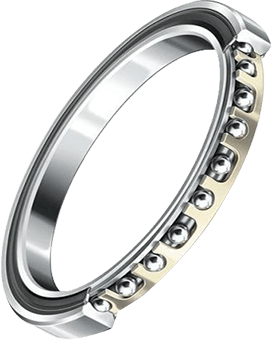
Across medical technology, laboratory automation, and high-hygiene manufacturing, material selection has become a critical part of risk management. Bearings used in these environments are no longer judged solely by load ratings or service life; they must also withstand corrosion, frequent cleaning, and strict regulatory scrutiny. This shift has driven growing interest in surgical grade materials used in stainless steel bearings, particularly among OEMs and engineering procurement teams serving healthcare and life science markets.
Unlike general industrial components, bearings in medical or hygienic equipment often operate in controlled but aggressive environments. Exposure to disinfectants, moisture, temperature fluctuations, and continuous operation places unique demands on materials. As a result, Surgical Stainless Steel Bearings have become a preferred solution where reliability, cleanliness, and material integrity are essential.
The term “surgical grade” is frequently used but often misunderstood. In the context of stainless steel bearings, it does not indicate implantable use or direct contact with human tissue. Instead, it refers to stainless steel alloys originally developed for surgical instruments and medical environments, characterized by high corrosion resistance, chemical stability, and controlled composition.
These materials are engineered to resist rust, pitting, and surface degradation under repeated exposure to cleaning agents and humid conditions. Within the broader category of Stainless Steel Bearings, surgical grades represent a subset optimized for hygienic and precision-driven applications rather than purely mechanical performance.
Structurally, bearings made from surgical grade stainless steel follow conventional designs: inner and outer rings, rolling elements, and cages. The distinguishing factor lies in material choice and manufacturing discipline.
Common alloys include specific martensitic or austenitic stainless steels selected for their balance of hardness and corrosion resistance. Martensitic grades allow heat treatment to achieve sufficient hardness for rolling contact, while austenitic grades offer superior corrosion resistance but lower load capacity.
Manufacturing processes are tightly controlled. Heat treatment must be precise to ensure dimensional stability and consistent microstructure. Grinding and polishing operations focus on achieving low surface roughness, reducing friction and minimizing particle generation. Clean manufacturing environments and thorough post-process cleaning are often required, especially for bearings intended for medical or laboratory equipment.
Several key factors determine whether surgical grade materials perform as intended in bearing applications:
Chemical composition control: Small variations in alloying elements can significantly affect corrosion resistance and fatigue life.
Heat treatment accuracy: Improper heat treatment may lead to brittleness or insufficient hardness.
Surface integrity: Micro-cracks or surface defects can become initiation points for corrosion or fatigue failure.
Lubrication compatibility: Bearings may need to operate with food-grade lubricants or under minimal lubrication conditions.
Understanding these variables helps engineers avoid overgeneralizing material properties and instead focus on application-specific requirements.
From a supply chain perspective, selecting bearings made with surgical grade materials requires more than reviewing datasheets. Buyers typically assess suppliers based on process consistency, material traceability, and experience with regulated industries.
Manufacturers serving medical and hygienic markets often implement additional inspection steps and documentation practices. This level of control is particularly relevant for Medical Bearings, where downstream customers may require proof of material origin, heat treatment records, or compliance with internal quality standards.
Long-term availability is another concern. OEMs prefer suppliers capable of maintaining stable material specifications over extended production cycles, reducing the risk of requalification or redesign.
One persistent challenge is confusion between corrosion resistance and overall performance. While surgical grade stainless steels excel in resisting chemical attack, they may not match chrome steel in terms of load capacity or fatigue strength. Misapplying these materials in high-load or shock-prone applications can lead to premature failure.
Cost perception is another issue. Surgical grade materials are often assumed to be inherently expensive, leading some buyers to avoid them altogether. In practice, the total cost of ownership—including reduced downtime, longer service intervals, and lower contamination risk—can justify the initial investment when properly specified.
Surgical grade materials in stainless steel bearings are commonly used in:
Medical devices such as diagnostic equipment, pumps, and surgical tools
Dental and laboratory instruments requiring frequent sterilization
Pharmaceutical and food processing machinery exposed to washdown
Cleanroom automation systems where particle control is critical
In these environments, the material’s resistance to corrosion and cleaning chemicals directly supports equipment reliability and compliance with hygiene standards.
Looking ahead, development efforts focus on refining material performance without compromising corrosion resistance. Advances in heat treatment, surface finishing, and hybrid bearing designs are expanding the usable performance envelope of surgical grade materials.
There is also a growing emphasis on application-specific engineering rather than one-size-fits-all solutions. As equipment becomes more specialized, demand is shifting toward bearings tailored to precise environmental and operational conditions, supported by detailed technical collaboration between suppliers and OEMs.
Are surgical grade materials always required for medical equipment?
Not necessarily. Material choice depends on exposure conditions, cleaning frequency, and performance requirements rather than industry classification alone.
Do these materials eliminate the need for maintenance?
No material is maintenance-free. However, surgical grade stainless steels can reduce corrosion-related issues when proper lubrication and handling practices are followed.
Can surgical grade bearings replace standard stainless bearings directly?
They can in many cases, but engineers should evaluate load, speed, and cost implications before substitution.

Vincent Liang

+86 137 5749 2228

liangzexi@cxbearings.cn

No.195, Dongshaobei Road, Jiangbei District, Ningbo City, Zhejiang Province, China


Copyright © Zhejiang Dacheng Precision Machinery Co., Ltd. All Rights Reserved.

