 DACHENG PRECISION MACHINERY

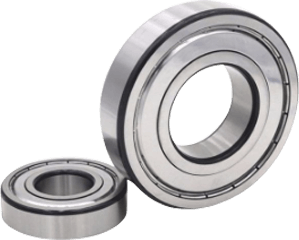
Medical devices are subject to some of the most demanding performance and regulatory requirements in modern engineering. From diagnostic imaging systems to surgical robotics and laboratory automation, equipment must deliver high accuracy, smooth motion, and long-term reliability while operating in compact spaces. As devices become smaller, lighter, and more precise, traditional bearing designs often struggle to meet space constraints without compromising performance. This has driven increasing demand for high precision thin walled bearings, which allow designers to reduce cross-sectional size while maintaining load capacity and rotational accuracy.
The global medical device market continues to expand due to aging populations, advances in minimally invasive procedures, and growing adoption of automation in healthcare environments. In this context, bearing selection is no longer a secondary mechanical decision but a critical element influencing device performance, patient safety, and regulatory compliance.
Thin walled bearings are characterized by a reduced radial cross section relative to their bore diameter. This design allows integration into compact assemblies where space and weight are limited. Precision versions of these bearings are manufactured with tight tolerances, low runout, and controlled internal geometry to ensure stable motion and minimal vibration.
In medical devices, precision is essential not only for mechanical accuracy but also for repeatability and noise control. Smooth rotational behavior supports accurate positioning in imaging systems and consistent motion in robotic or motor-driven components. Compared with conventional Deep Groove Ball Bearings, thin walled designs enable higher design flexibility while preserving the functional benefits of rolling element bearings.
The basic structure of thin walled bearings includes inner and outer rings with reduced wall thickness, rolling elements, and a cage designed to maintain ball spacing under varying operating conditions. Material selection is a critical factor in medical applications. High-grade stainless steels are commonly used to provide corrosion resistance, particularly in environments exposed to cleaning agents, sterilization processes, or bodily fluids. In some cases, hybrid designs incorporating ceramic rolling elements are selected to reduce friction and improve wear resistance.
Manufacturing these bearings requires advanced process control. Ring forming and heat treatment must achieve uniform hardness without introducing distortion, which is more challenging in thin sections. Precision grinding and superfinishing are applied to raceways to achieve low surface roughness, supporting stable lubrication and reduced wear. Each stage of production is typically supported by dimensional inspection and rotational testing to verify compliance with strict tolerance requirements.
Several factors influence the performance of thin walled bearings in medical devices. Dimensional accuracy directly affects positioning precision, particularly in applications such as surgical navigation systems or imaging scanners. Internal clearance must be carefully selected to balance thermal expansion, load distribution, and friction. Excessive clearance can result in vibration or reduced control accuracy, while insufficient clearance may increase heat generation and shorten bearing life.
Surface finish quality is another key parameter, as it influences lubrication behavior and noise levels. Medical equipment often operates in quiet environments where acoustic performance matters. Proper lubrication selection, compatible with cleanroom or medical standards, further contributes to consistent operation and long service life.
Selecting a bearing supplier for medical applications involves evaluating more than dimensional specifications. Suppliers should demonstrate experience with precision manufacturing and familiarity with medical industry requirements. Documented quality systems, material traceability, and consistent process control are essential to support regulatory compliance and risk management.
Engineering support is particularly valuable during the design phase. A capable supplier can assist with bearing selection, clearance optimization, and material choices based on operating conditions and lifecycle expectations. Long-term supply stability is also important, as medical devices often have extended production and service lifecycles requiring consistent component availability.
One common challenge is balancing miniaturization with durability. As bearing walls become thinner, sensitivity to installation errors and housing deformation increases. Improper mounting can introduce preload or misalignment, negatively affecting performance. Another challenge lies in lubrication management, especially in applications requiring low outgassing or compatibility with sterilization processes.
Regulatory compliance adds further complexity. Bearings used in medical devices must meet strict cleanliness and documentation standards. Any variability in quality or performance can lead to costly validation delays or redesigns.
High precision thin walled bearings are widely used in medical imaging systems such as CT scanners and MRI support equipment, where smooth rotation and positional accuracy are essential. In surgical robots, these bearings support articulated joints and motor-driven axes, enabling precise, repeatable movements. Laboratory automation systems also rely on thin walled bearings to maintain accuracy in sample handling and analytical processes while minimizing system footprint.
In all these applications, the combination of compact design and precision performance directly contributes to improved functionality, reduced maintenance, and enhanced user confidence.
The future of thin walled bearing technology in medical devices is closely linked to ongoing trends in miniaturization, robotics, and digital integration. Demand is growing for bearings that support higher speeds, lower friction, and longer service life under clean or controlled environments. Advances in materials, surface treatments, and manufacturing automation are enabling further improvements in consistency and performance.
There is also increasing interest in bearings designed to work alongside condition monitoring systems, supporting predictive maintenance strategies in high-value medical equipment. As healthcare technology continues to advance, precision bearing solutions will remain a foundational element in enabling safe, reliable, and innovative medical devices.
Why are thin walled bearings preferred in medical devices?
They allow compact designs while maintaining precision and smooth motion, which is essential for modern medical equipment.
Are stainless steel bearings always required?
Stainless steel is commonly used for corrosion resistance, but material selection depends on the operating environment and sterilization requirements.
What installation practices are critical for thin walled bearings?
Careful control of housing geometry, alignment, and mounting forces is essential to avoid deformation and ensure consistent performance.
By understanding design principles, performance factors, and sourcing considerations, engineers and procurement professionals can confidently integrate high precision thin walled bearings into advanced medical device applications.

Vincent Liang

+86 137 5749 2228

liangzexi@cxbearings.cn

No.195, Dongshaobei Road, Jiangbei District, Ningbo City, Zhejiang Province, China


Copyright © Zhejiang Dacheng Precision Machinery Co., Ltd. All Rights Reserved.

