 DACHENG PRECISION MACHINERY

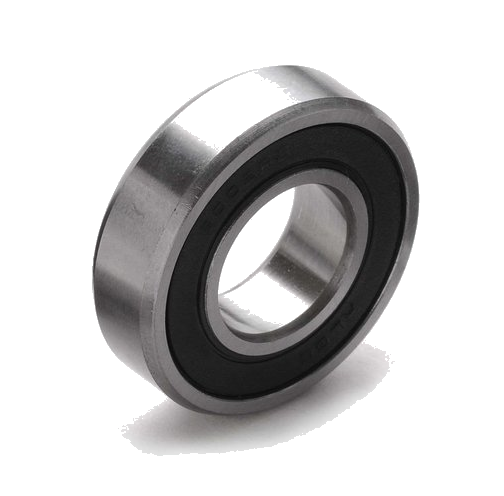
High precision deep groove ball bearings are essential components in modern machinery, widely used in industries such as automotive, aerospace, power tools, and medical equipment. Due to their excellent precision and reliability, they are the first choice for applications requiring high load, low noise, and long service life. However, to ensure that high precision deep groove ball bearings perform optimally under various operating conditions, optimization is necessary. This article will explore how to improve the performance of high precision deep groove ball bearings through optimization in areas such as design, material selection, manufacturing processes, and maintenance.
The performance of a bearing largely depends on the materials used. Common materials for high precision deep groove ball bearings include high-carbon chromium bearing steel (such as AISI 52100 steel), ceramic materials (such as silicon nitride Si₃N₄), and stainless steel. Each material has its own advantages and suitable application scenarios.
High-Carbon Chromium Bearing Steel: This material is commonly used for traditional high-precision bearings. Its excellent hardness, wear resistance, and fatigue strength make it the most common choice for applications with high load.
Ceramic Bearings: Ceramic materials have higher hardness, better corrosion resistance, and lower density. Ceramic bearings excel in high-speed, low-noise, and low-friction applications. They also provide stable performance in high-temperature environments, making them suitable for extreme operating conditions.
Stainless Steel Bearings: Stainless steel materials have excellent corrosion resistance, making them suitable for high-precision deep groove ball bearings used in wet or chemically corrosive environments.
Selecting the right material can effectively enhance bearing durability and operational precision, reduce friction losses, and improve efficiency.
The manufacturing precision of high precision deep groove ball bearings directly affects their performance. Every step in the manufacturing process, including heat treatment, surface treatment, and fine machining, needs to be carefully controlled. The following are key manufacturing processes:
Heat Treatment: The heat treatment process of bearing materials determines their hardness and wear resistance. Through appropriate quenching and tempering processes, high hardness and uniform microstructure can be achieved, enhancing the bearing’s service life and load-bearing capacity.
Surface Treatment: The surface finish of the bearing is crucial for its friction and noise levels. Through ultra-precision machining, polishing, and coating treatments, surface defects can be minimized, friction reduced, and bearing performance enhanced.
Precision Machining: The inner and outer rings, as well as the balls, of high precision deep groove ball bearings need to undergo precision machining. During the machining process, careful control of roundness, concentricity, and dimensional accuracy is required to ensure smooth operation.
Precision manufacturing processes ensure that bearings meet high precision requirements, reducing friction and noise during operation, and extending service life.
The design of high precision deep groove ball bearings is crucial for enhancing performance. The key to design optimization lies in balancing the bearing’s load capacity, speed, friction coefficient, and durability. When optimizing the design, the following factors should be considered:
Size Optimization: By optimizing the bearing’s size and structure while maintaining load capacity, friction and energy loss can be minimized. Precise design also helps reduce thermal expansion, improving the bearing’s stability.
Material Distribution Optimization: By reasonably distributing different materials, the bearing’s wear resistance and fatigue strength can be enhanced. For example, combining ceramic rolling elements with steel inner and outer rings reduces friction and improves efficiency.
Multi-Row Design: For high-load applications, multi-row deep groove ball bearings (such as double-row or four-row designs) can significantly improve load-bearing capacity, making them suitable for more demanding operating conditions.
A well-designed bearing improves stability and precision during operation, preventing premature wear and failure.
Lubrication is critical for the operation of high precision deep groove ball bearings. Proper lubrication reduces friction, lowers temperature, and extends bearing life. When selecting lubrication methods, the following factors should be considered:
Lubricating Oil or Grease: Lubricating oil provides a lower friction coefficient and better heat dissipation, making it suitable for high-speed applications. On the other hand, grease has better sealing properties and long-lasting lubrication, making it suitable for medium to low-speed applications. Choosing the appropriate lubrication method based on the bearing’s operating environment and speed is key to ensuring efficient operation.
Selection of Lubricating Grease: The additives and base oil components in lubricating grease determine its performance. Choosing the right grease can effectively reduce friction and extend bearing life.
Regular Maintenance and Lubricant Replacement: Regularly checking and replacing lubricating oil or grease to avoid inadequate lubrication can significantly enhance bearing efficiency and service life.
Proper lubrication management reduces friction losses and maintains stable operation of bearings in high-precision conditions.
The operating environment of bearings significantly affects their performance. Excessive temperature, humidity, and the intrusion of contaminants can accelerate bearing wear and failure. To maintain the performance of high precision deep groove ball bearings, appropriate environmental control measures must be taken:
Dust and Contamination Protection: Using sealed or shielded bearings can effectively prevent dust and debris from entering the bearing, avoiding damage to the rolling elements and rings.
Temperature Control: Bearings operating at high temperatures can cause the lubricating oil to degrade quickly, reducing lubrication efficiency. Therefore, keeping the bearing’s operating temperature within a suitable range helps prolong its service life.
Vibration Reduction: Vibrations during operation can cause uneven wear. Ensuring the stability of the equipment and minimizing external vibrations helps maintain bearing precision and performance.
Regular maintenance and inspection are crucial for the performance of high precision deep groove ball bearings. By monitoring indicators such as temperature, vibration, and noise, potential issues can be identified early, preventing problems before they lead to failure. Regular cleaning, lubrication, and replacement of worn-out bearing components ensure that bearings remain in optimal working condition.
Optimizing the performance of high precision deep groove ball bearings requires careful consideration of material selection, precision manufacturing processes, design optimization, lubrication, operating environment, and regular maintenance. By optimizing these various factors, the efficiency, precision, and service life of bearings can be significantly improved. With continued advancements in technology, future high precision deep groove ball bearings will become even more efficient and reliable, meeting the demands of high-end applications.

Vincent Liang

+86 137 5749 2228

liangzexi@cxbearings.cn

No.195, Dongshaobei Road, Jiangbei District, Ningbo City, Zhejiang Province, China


Copyright © Zhejiang Dacheng Precision Machinery Co., Ltd. All Rights Reserved.

