 DACHENG PRECISION MACHINERY

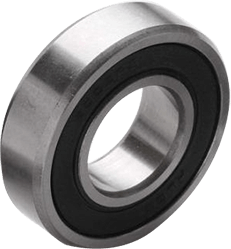
In the world of industrial machinery, efficiency, reliability, and precision are paramount. One critical component that plays a central role in ensuring optimal performance is the bearing. Among the various types available, High Precision Deep Groove Ball Bearings have emerged as an essential choice for many industrial applications. These bearings are valued for their ability to handle high loads, reduce friction, and ensure smooth operation, even under the most demanding conditions. This article delves into the importance of these bearings in industrial settings, exploring their design, key features, and why they are crucial for modern machinery.
The global industrial bearings market has seen steady growth in recent years, driven by increased automation, technological advancements, and the demand for higher operational efficiency across various sectors, including automotive, aerospace, manufacturing, and renewable energy. The need for precision components that can withstand harsh environments and heavy loads has further intensified the demand for High Precision Deep Groove Ball Bearings.
With industries striving for reduced downtime and enhanced performance, these bearings offer a practical solution by minimizing maintenance requirements and extending the lifespan of equipment. As manufacturers continue to prioritize quality and cost-efficiency, the need for reliable and high-performance bearings, such as Deep Groove Ball Bearings, becomes even more critical.
High Precision Deep Groove Ball Bearings are a type of rolling-element bearing designed to reduce friction between moving parts. They are distinguished by their design, which allows them to handle both radial and axial loads, making them versatile in a wide range of applications. The core technology behind these bearings lies in their deep groove design, which provides greater contact area between the balls and raceways, enhancing load capacity and performance.
The precision aspect of these bearings is derived from the tight tolerances in their manufacturing process. Precision Ball Bearings are made with extremely precise dimensions to ensure smooth rotation with minimal vibration or noise. This is achieved through advanced manufacturing techniques such as precision grinding and superfinishing, which improve the surface finish and overall accuracy of the bearing.
The structure of High Precision Deep Groove Ball Bearings consists of several key components: the inner race, outer race, balls, and a cage. The inner and outer races are made from high-quality steel, often chrome steel or stainless steel, which provides excellent durability and resistance to wear. The balls, typically made of steel or ceramic, are positioned in the raceways and separated by a cage to ensure even spacing and reduce friction.
High Precision Deep Groove Ball Bearings are designed to operate with minimal friction, which is achieved through their smooth surfaces and precise ball-to-raceway interaction. This not only improves the bearing’s efficiency but also reduces the heat generated during operation, making them ideal for high-speed applications. The use of materials such as high-carbon chromium steel or ceramic balls further enhances their durability and resistance to corrosion.
The manufacturing process for these bearings involves several stages, including heat treatment to enhance hardness and precision grinding to achieve the necessary tolerances. Advanced manufacturing methods such as automated assembly and inspection ensure consistency and quality in every bearing produced.
The performance of Deep Groove Ball Bearings is influenced by several factors. One of the most important is the material used for the balls and races. The hardness, corrosion resistance, and fatigue strength of the materials directly impact the bearing’s ability to withstand heavy loads and operate smoothly over time.
Another critical factor is the bearing's lubrication. Proper lubrication reduces friction and wear, extending the bearing’s lifespan. Over-lubrication or poor lubrication can lead to overheating and premature failure. Additionally, the bearing's design and the fit of its components must be precise to avoid misalignment, which can lead to excessive wear and reduced performance.
Environmental conditions, such as exposure to high temperatures, moisture, or corrosive substances, also play a significant role in determining the longevity of Precision Ball Bearings. Bearings used in industries like aerospace or food processing need to meet strict standards for cleanliness and resistance to contamination.
When selecting suppliers for High Precision Deep Groove Ball Bearings, it is essential to choose those with a proven track record of quality and reliability. Key factors to consider include the supplier's certifications, such as ISO 9001, which ensures adherence to high manufacturing standards. Suppliers should also provide detailed product data, including load ratings, material specifications, and performance testing results.
In addition to quality, lead time and supply chain reliability are crucial. Disruptions in the supply chain can lead to significant delays in production, which is why many manufacturers opt for suppliers who offer just-in-time delivery or flexible ordering options. Furthermore, the availability of custom bearing solutions for specific applications is an added advantage.
Despite their high performance, High Precision Deep Groove Ball Bearings are not immune to issues. One common problem is the contamination of bearings during installation or operation. Foreign particles can cause wear and tear on the bearing's surface, leading to premature failure. Proper handling, cleaning, and installation procedures are critical to ensure the bearings perform as expected.
Another challenge is the improper selection of bearings for specific applications. Choosing a bearing with inadequate load capacity or incorrect material can lead to increased friction, overheating, and failure. It is essential to carefully consider the operating environment and load requirements when selecting Deep Groove Ball Bearings.
High Precision Deep Groove Ball Bearings are used across a wide variety of industries, from automotive manufacturing to robotics and aerospace. In the automotive industry, these bearings are critical for reducing friction in engines and transmission systems, improving fuel efficiency and performance. In the aerospace sector, their precision and reliability ensure smooth operation of critical systems like turbines and actuators.
For example, a major aerospace company reported a significant reduction in maintenance costs after switching to Precision Ball Bearings for their turbine engines. The bearings provided better load handling and durability, extending the lifespan of the components and reducing downtime.
As industries continue to evolve, the demand for High Precision Deep Groove Ball Bearings is expected to grow. Key trends include the increasing use of hybrid materials, such as ceramic balls or advanced composites, which offer enhanced performance and durability. Additionally, there is a growing interest in bearing solutions that can operate under extreme conditions, such as high temperatures or high-speed applications.
The future of Deep Groove Ball Bearings will also see innovations in digitalization, with the integration of sensors for predictive maintenance. Smart bearings equipped with IoT capabilities will provide real-time data on bearing performance, helping to anticipate potential failures and reduce unexpected downtime.
Q: How often should High Precision Deep Groove Ball Bearings be replaced?
A: The lifespan of these bearings depends on operating conditions such as load, speed, and environmental factors. Regular inspection and maintenance are recommended, with replacement occurring when signs of wear or performance degradation are detected.
Q: Are there different grades of Precision Ball Bearings?
A: Yes, precision bearings are classified into different grades based on their tolerances and performance. Higher-grade bearings offer tighter tolerances and better performance in demanding applications.
Q: Can Deep Groove Ball Bearings be used in high-speed applications?
A: Yes, High Precision Deep Groove Ball Bearings are ideal for high-speed applications, as their design minimizes friction and heat generation, ensuring smooth operation even at high speeds.
In conclusion, High Precision Deep Groove Ball Bearings are a crucial component in industrial machinery, offering enhanced precision, reliability, and longevity. By understanding their design, materials, and applications, industries can select the right bearings for their needs, ensuring optimal performance and reduced maintenance costs. As technology advances, the future of bearings looks promising, with innovations driving greater efficiency and sustainability in industrial applications.

Vincent Liang

+86 137 5749 2228

liangzexi@cxbearings.cn

No.195, Dongshaobei Road, Jiangbei District, Ningbo City, Zhejiang Province, China


Copyright © Zhejiang Dacheng Precision Machinery Co., Ltd. All Rights Reserved.

