 DACHENG PRECISION MACHINERY

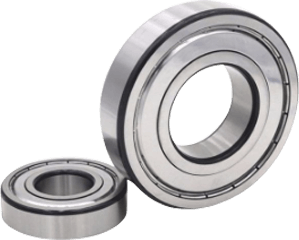
In modern industry, high-precision thin-walled bearings are widely used in aerospace, medical equipment, robot joints and other fields. These bearings are favored for their high precision, low noise and compact size. However, in order to ensure their long-term stable operation and extend their service life, the correct maintenance method is essential. This article will provide you with some professional maintenance guidelines to help you maximize the service life of high-precision thin-walled bearings.
The performance of high-precision thin-walled bearings depends largely on their cleanliness. Dust, oil and other impurities will accelerate the wear of bearings and reduce their accuracy and life. Therefore, regular inspection and cleaning are essential steps.
1. Inspection frequency
It is recommended to perform a visual inspection every 500 hours of operation to check whether the bearing has obvious signs of wear, deformation or damage. For applications under high load or harsh environment, the inspection frequency should be higher.
2. Cleaning method
- **Disassembly**: Before cleaning, be sure to carefully disassemble the bearing to avoid unnecessary damage to the bearing.
- **Cleaning**: Use a mild detergent and a soft brush to gently clean the bearing. Avoid using a high-pressure water gun, as high-pressure water flow may damage the seals of the bearing.
- **Drying*: After cleaning, make sure the bearing is completely dry. You can wipe it gently with a clean cloth, or let it dry naturally in a well-ventilated environment.
Lubrication is another key link in the maintenance of high-precision thin-walled bearings. The right lubricant can reduce friction, reduce wear, and prevent corrosion.
1. Choose the right lubricant
Choose the right lubricant according to the use environment and working conditions of the bearing. For example, in a high-temperature environment, high-temperature resistant grease should be selected; in food processing equipment, food-grade lubricants must be used.
2. Lubrication frequency
The frequency of lubrication depends on the operating conditions of the bearing. Generally speaking, the state of the lubricant should be checked every 1000 hours of operation, and it should be replenished or replaced if necessary.
3. Lubrication method
- **Manual lubrication**: Use a lubrication gun to evenly inject lubricant into the lubrication holes of the bearing to ensure that the lubricant can fully cover the rolling elements of the bearing.
- **Automatic lubrication system**: For equipment that runs continuously, you can consider installing an automatic lubrication system to ensure a continuous supply of lubricant.
Although high-precision thin-walled bearings have high precision, their load-bearing capacity is relatively limited. Overload and impact loads will accelerate fatigue damage to the bearing and shorten its service life.
1. Load management
Ensure that the load on the bearing does not exceed its rated load capacity. If the load of the equipment often exceeds the rated value of the bearing, consider replacing a larger size or higher load-bearing bearing.
2. Avoid impact
During the operation of the equipment, try to avoid sudden starts, stops or changes in direction, which will generate impact loads and damage the bearings. If impact loads cannot be avoided, consider installing a buffer to absorb the impact energy.
High-precision thin-walled bearings have high requirements for the working environment. Temperature, humidity and cleanliness will affect their performance and life.
1. Temperature control
The operating temperature of the bearing should be controlled within its rated temperature range. Too high or too low temperature may affect the performance of the lubricant and cause the bearing to wear more severely. If the equipment is operated in an extreme temperature environment, a suitable lubricant should be selected and necessary cooling or heating measures should be taken.
2. Humidity control
A humid environment will accelerate the corrosion of the bearing and reduce its service life. Therefore, it is necessary to avoid the operation of the bearing in a humid environment. If it cannot be avoided, a bearing with good waterproof performance should be selected, and the integrity of the seal should be checked regularly.
3. Cleanliness control
Keep the working environment clean to prevent dust, oil and other impurities from entering the bearing. Clean up the debris around the equipment regularly to ensure that the equipment operates in a clean environment.
The function of the seal is to prevent dust and impurities from entering the bearing and prevent lubricant leakage. Damage to the seal will cause the bearing to perform poorly or even be damaged.
1. Seal inspection
Regularly check the integrity of the seals for signs of wear, deformation or damage. If the seal is found to be damaged, it should be replaced in time.
2. Seal replacement
When replacing seals, choose seals of the same specifications and materials as the original seals. Be careful during installation to avoid damage to the seals.
Vibration is one of the early signs of bearing failure. By monitoring the vibration of the bearing, potential problems can be discovered in time and appropriate measures can be taken.
1. Vibration monitoring equipment
Professional vibration monitoring equipment can be used to monitor the vibration of the bearing in real time. These devices can record vibration data and perform fault diagnosis through analysis software.
2. Vibration analysis
Regularly analyze the vibration data to check for abnormal vibration. If the vibration amplitude suddenly increases or the frequency changes, the bearing status should be checked in time to find the cause and take measures.
In order to ensure the correct maintenance of high-precision thin-walled bearings, it is recommended to provide professional training for maintenance personnel. At the same time, keep in close contact with the bearing manufacturer to obtain technical support and the latest maintenance information.
1. Professional training
Regularly organize maintenance personnel to participate in professional training courses to learn the knowledge and skills of bearing maintenance. The training content can include bearing disassembly and installation, lubrication management, fault diagnosis and other aspects.
2. Technical support
Maintain good communication with the bearing manufacturer and obtain technical support in a timely manner. The manufacturer can provide detailed technical information, maintenance suggestions and fault solutions for the bearing to help you better maintain the bearing.
A medical device manufacturer uses high-precision thin-walled bearings in its equipment. Due to the high-precision requirements and continuous operation characteristics of the equipment, bearing maintenance is crucial. The company has taken the following maintenance measures:
1. Perform a visual inspection once a week to check whether the bearing has signs of wear or damage.
2. Clean and lubricate once a month to ensure that the bearing is clean and well lubricated.
3. Vibration monitoring equipment is installed to monitor the vibration of the bearing in real time. Once abnormal vibration is found, it is inspected and repaired immediately.
4. Provide regular training for maintenance personnel to ensure that they master the correct maintenance methods and skills.
5. Keep in close contact with bearing manufacturers to obtain technical support and the latest maintenance information.
Through these measures, the company successfully extended the service life of high-precision thin-walled bearings, reduced equipment downtime, and improved production efficiency.
Conclusion
The maintenance of high-precision thin-walled bearings is a systematic project that requires comprehensive consideration of multiple aspects. Through regular inspection and cleaning, lubrication management, avoiding overload and impact, environmental control, seal inspection and replacement, vibration monitoring, professional training and technical support, etc., the service life of high-precision thin-walled bearings can be effectively extended, and the reliability and operating efficiency of the equipment can be improved. I hope that the maintenance guide in this article can help you and ensure that your high-precision thin-walled bearings are always in the best operating condition.

Vincent Liang

+86 137 5749 2228

liangzexi@cxbearings.cn

No.195, Dongshaobei Road, Jiangbei District, Ningbo City, Zhejiang Province, China


Copyright © Zhejiang Dacheng Precision Machinery Co., Ltd. All Rights Reserved.

