 DACHENG PRECISION MACHINERY

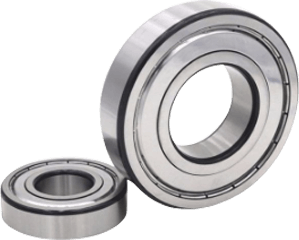
Marine equipment operates under some of the harshest mechanical conditions found in any industrial sector. Saltwater exposure, high humidity, temperature variation, and airborne chlorides create a persistent corrosion risk for rotating components. Bearings used in pumps, propulsion auxiliaries, deck machinery, ventilation systems, and port handling equipment must maintain dimensional stability and smooth operation despite these challenges.
As shipping, offshore energy, and coastal infrastructure continue to modernize, unplanned downtime has become increasingly costly. Maintenance access is often limited, and equipment reliability directly affects safety and operational efficiency. This has driven strong demand for Corrosion Resistant Deep Groove Ball Bearings, particularly in applications where standard carbon steel bearings fail prematurely due to rust, pitting, or lubricant contamination.
Deep groove ball bearings are widely applied in marine systems because of their simple design, low friction, and ability to handle radial loads with moderate axial loads in both directions. However, corrosion fundamentally alters the bearing failure mechanism. Instead of classic rolling fatigue, surface oxidation and micro-pitting at the raceway often initiate early failure.
Corrosion resistance is therefore not a single material property but a system-level outcome. It depends on metallurgy, surface condition, sealing effectiveness, and lubricant behavior under saline exposure. Understanding how these elements interact is essential when specifying bearings for marine environments.
From a structural standpoint, corrosion-resistant deep groove ball bearings retain the standard configuration of inner ring, outer ring, rolling elements, cage, and seals or shields. The differences lie in material selection and manufacturing control.
Stainless steel is the most common base material for marine bearings. Martensitic stainless steels provide higher hardness and load capacity while offering reasonable corrosion resistance, making them suitable for many mechanical drives. Austenitic stainless steels deliver superior resistance to chlorides and cleaning chemicals but are typically used in lower-load applications due to reduced hardness.
Manufacturing quality is critical. Controlled heat treatment ensures uniform hardness without compromising corrosion resistance. Precision grinding and superfinishing reduce surface roughness, lowering friction and minimizing sites where corrosive agents can accumulate. In many cases, passivation processes are applied to enhance the protective oxide layer on stainless steel components.
Several technical variables determine whether a bearing will succeed in marine service:
Material grade and heat treatment, which influence both corrosion resistance and fatigue life
Seal design and material, essential for preventing saltwater ingress and lubricant washout
Lubricant formulation, particularly resistance to emulsification and corrosion inhibitors
Internal clearance selection, accounting for temperature variation and mounting conditions
Even among Corrosion Resistant Bearings, mismatches between these factors and the actual operating environment are a common cause of premature failure.
Choosing the right bearing supplier is as important as selecting the bearing design. Marine applications demand consistent quality and traceability. Suppliers should be able to document material origins, heat treatment processes, and corrosion testing methods.
Experience in marine or offshore industries is a strong indicator of reliability, as it reflects familiarity with real-world exposure conditions rather than laboratory assumptions. Stable lead times, clear communication on customization options, and adherence to international quality standards are essential for OEMs and system integrators operating in global markets.
One recurring issue is the assumption that all stainless steel bearings are interchangeable. In reality, differences in steel composition, surface finish, and sealing can lead to vastly different service lives. Selecting a bearing based solely on material designation often overlooks these nuances.
Another challenge is underestimating the role of sealing and lubrication. Many bearing failures attributed to corrosion are actually caused by lubricant loss or contamination. Simply upgrading from standard Deep Groove Ball Bearings without reviewing seal compatibility or lubrication strategy rarely delivers the expected improvement.
In marine vessels, corrosion-resistant deep groove ball bearings are commonly used in seawater pumps, cooling fans, winches, and auxiliary power systems. Offshore platforms rely on them for material handling equipment and drive systems exposed to salt spray and intermittent immersion.
Port and coastal infrastructure also presents demanding conditions. Cranes, conveyors, and automated handling systems operate continuously in corrosive atmospheres, where bearing reliability directly impacts throughput and safety. In these settings, corrosion-resistant designs help extend maintenance intervals and reduce unexpected shutdowns.
The marine industry is increasingly adopting hybrid bearing solutions that combine corrosion-resistant steel rings with ceramic rolling elements. These designs offer reduced wear, improved electrical insulation, and enhanced performance under marginal lubrication.
Advances in seal technology and lubricant chemistry are also shaping future development. Low-washout greases and elastomers resistant to both saltwater and cleaning agents are extending bearing life in aggressive environments. At the same time, sustainability considerations are encouraging longer service intervals and reduced material consumption.
As marine equipment becomes more automated and condition monitoring systems mature, bearing selection will increasingly focus on predictable lifecycle performance rather than upfront cost.
Can corrosion-resistant deep groove ball bearings operate under continuous seawater exposure?
They can, but only when materials, seals, and lubricants are specifically selected for immersion conditions.
Do corrosion-resistant bearings eliminate maintenance requirements?
No. They reduce maintenance frequency, but inspection and lubrication management remain necessary.
Is stainless steel always the optimal choice for marine bearings?
Not always. The best solution depends on load, speed, exposure severity, and expected service life.
By systematically evaluating environmental conditions, technical requirements, and supplier capabilities, engineers can make informed decisions when selecting corrosion-resistant bearing solutions for marine equipment, achieving reliable performance in some of the world’s most challenging operating environments.

Vincent Liang

+86 137 5749 2228

liangzexi@cxbearings.cn

No.195, Dongshaobei Road, Jiangbei District, Ningbo City, Zhejiang Province, China


Copyright © Zhejiang Dacheng Precision Machinery Co., Ltd. All Rights Reserved.

