 DACHENG PRECISION MACHINERY

In the automotive industry, the quest for enhanced fuel efficiency and reduced emissions has led to a growing demand for advanced bearing technologies. Low-friction thin-wall bearings have emerged as a crucial solution, offering significant improvements in power transmission efficiency and overall vehicle performance. This article explores how low-friction thin-wall bearings are revolutionizing automotive components, supported by comparative charts to illustrate their benefits.
With the increasing focus on environmental sustainability, the automotive sector is under pressure to improve fuel efficiency. Traditional bearings often result in energy losses due to high friction, which can reduce the overall efficiency of power transmission. Low-friction thin-wall bearings address this issue by minimizing energy loss through optimized design and advanced materials.
Lower friction in bearings translates to reduced energy consumption, which in turn leads to lower emissions. This is particularly important for both conventional and hybrid vehicles, where every bit of efficiency gain contributes to a smaller carbon footprint.
The rise of electric vehicles has introduced new challenges and opportunities for bearing technology. EVs require bearings that can handle high rotational speeds and reduce energy loss to maximize battery range. Low-friction thin-wall bearings are well-suited to these requirements, offering high precision and durability.
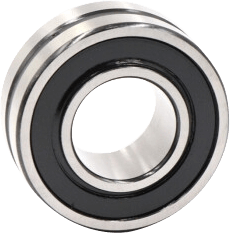
Thin-wall bearings are characterized by their reduced cross-sectional dimensions, which allow for significant weight savings without compromising on performance. This lightweight design is particularly beneficial in automotive applications where reducing vehicle weight can lead to better fuel economy.
Low-friction thin-wall bearings are manufactured to high precision standards, ensuring smooth operation and minimal wear. This precision is critical for maintaining the accuracy of power transmission in automotive components.
Automotive bearings are often exposed to harsh environments, including moisture and corrosive substances. Low-friction thin-wall bearings made from stainless steel offer superior corrosion resistance, extending the service life of the bearings and reducing maintenance requirements.
In transmission systems, low-friction thin-wall bearings play a crucial role in reducing energy loss during gear shifts. They ensure smooth and efficient power transfer, contributing to improved vehicle performance and reduced fuel consumption.
For electric vehicles, the efficiency of the electric motor is paramount. Low-friction thin-wall bearings are designed to handle the high rotational speeds of electric motors while minimizing energy loss, thereby enhancing the overall efficiency of the electric powertrain.
Wheel hub bearings are subjected to significant loads and must operate with minimal friction to ensure efficient rolling resistance. Low-friction thin-wall bearings in wheel hubs can reduce energy loss and improve the vehicle’s overall efficiency.
To highlight the benefits of low-friction thin-wall bearings, consider the following comparative chart:
| Feature | Low-Friction Thin-Wall Bearings | Traditional Bearings |
|---|---|---|
| Friction Coefficient | Low (0.001 - 0.003) | High (0.005 - 0.010) |
| Weight | Lightweight | Heavier |
| Precision | High (ABEC-7) | Medium (ABEC-5) |
| Corrosion Resistance | High (Stainless Steel) | Low (Carbon Steel) |
| Maintenance Requirements | Low | High |
| Energy Efficiency | High | Low |
As shown in the chart, low-friction thin-wall bearings offer a significant reduction in friction coefficient, which directly translates to higher energy efficiency. Their lightweight design and high precision further enhance their performance, making them a superior choice for modern automotive applications.
A leading automotive manufacturer decided to upgrade its transmission system to incorporate low-friction thin-wall bearings. The results were impressive:
Fuel Efficiency Improvement: The vehicle achieved a 10% increase in fuel efficiency due to reduced energy loss in the transmission.
Reduced Maintenance: The new bearings required less frequent replacement, leading to lower maintenance costs over the vehicle’s lifetime.
Enhanced Performance: Drivers reported smoother gear shifts and improved overall vehicle performance.
Low-friction thin-wall bearings represent a significant advancement in automotive bearing technology. By reducing friction, weight, and maintenance requirements, they offer tangible benefits in terms of fuel efficiency, reduced emissions, and enhanced vehicle performance. As the automotive industry continues to evolve, particularly with the growth of electric vehicles, the adoption of low-friction thin-wall bearings will be crucial for meeting the demands of modern transportation. These bearings are not just a technological upgrade; they are a step towards a more sustainable and efficient future for automotive components.

Vincent Liang

+86 137 5749 2228

liangzexi@cxbearings.cn

No.195, Dongshaobei Road, Jiangbei District, Ningbo City, Zhejiang Province, China


Copyright © Zhejiang Dacheng Precision Machinery Co., Ltd. All Rights Reserved.

